
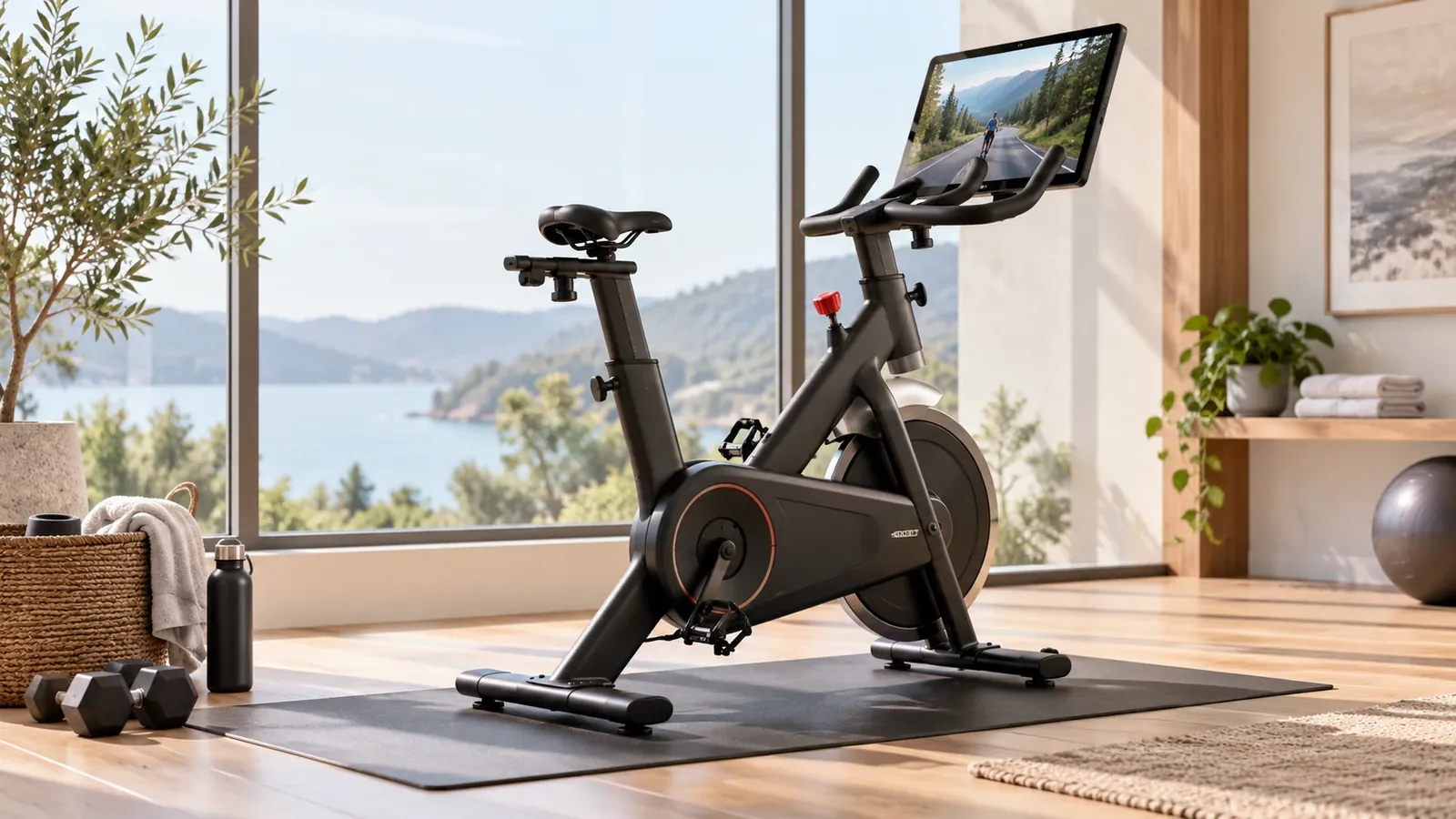
Peloton is widely associated with exercise bikes, yet its subscription business generates substantially more revenue than connected fitness hardware. In fiscal 2026, recurring subscriptions accounted for roughly 68.5% of the company's total revenue.
That difference defines the Peloton business model. Equipment purchases can begin a customer relationship, while ongoing access to exercise content and connected services can continue generating revenue.
Key Takeaways
- Peloton reported $2.446 billion in total fiscal 2026 revenue.
- Subscriptions generated approximately $1.676 billion, or 68.5%.
- Connected Fitness Products generated approximately $770.4 million.
- Subscription gross margin was around 71.4%, compared with 11.7% for hardware.
- Gross profit is not the same as net profit after company-wide expenses.
Peloton's Revenue Mix
| Business segment | FY2026 revenue |
|---|---|
| Subscriptions | $1,675.6 million |
| Connected Fitness Products | $770.4 million |
| Total | $2,446.0 million |
Source: Peloton fiscal 2026 Form 10-K (year ended June 30, 2026). Total revenue $2,446.0 million; subscriptions 68.5%.
Peloton fiscal 2026 Form 10-K; rounded.
Hardware Introduces Customers to the Ecosystem
Connected products can bring customers onto a platform where digital content and related features are offered through memberships. Hardware remains commercially significant, even though product sales generate less segment revenue than subscriptions.
Subscriptions Extend the Relationship
Members may continue paying for supported content and services long after the original equipment purchase. Our fitness statistics by activity and age show how much exercise happens outside gyms, where home equipment competes. Retention therefore influences recurring revenue and the potential value of the original customer acquisition.
Why Margins Differ
Peloton's fiscal 2026 subscription gross profit was approximately $1.196 billion, compared with about $90.4 million for Connected Fitness Products. The physical goods segment incurs substantial product-related costs, while the subscription segment shows higher gross profitability.
Source: Peloton fiscal 2026 Form 10-K. Gross margin before operating expenses; not net profit.
High Gross Margins Do Not Equal Net Profit
Sales and marketing, administration and research costs still need to be covered. A segment's gross margin says relatively little about final company profit unless those other expenses are considered.
Membership Retention and Hardware Demand
Peloton's total fiscal 2026 revenue declined from fiscal 2025 even as subscription revenue remained comparatively stable. This illustrates how a sizeable recurring-revenue business can coexist with pressure on equipment sales.
The company must keep customers engaged, develop services and maintain demand for its products. Subscription revenue alone does not guarantee ongoing growth. Wearables face a similar test, as the membership-only WHOOP business model shows.
FAQs
How Does Peloton Make Money?
Peloton earns revenue from connected fitness products and paid subscriptions. Its fiscal 2026 filing reported approximately $1.676 billion in subscription revenue and $770.4 million in equipment revenue, making memberships the larger reported segment.
What Share of Peloton Revenue Comes From Subscriptions?
Subscriptions represented approximately 68.5% of fiscal 2026 revenue. This is a revenue share, not a measure of profit, and it reflects the reporting period ending June 30, 2026 rather than a permanent proportion.
Are Subscriptions More Profitable Than Hardware?
Peloton reported much higher subscription gross margins than hardware gross margins in fiscal 2026. However, company-wide operating expenses still affect final profitability, so segment gross margins cannot be presented as net profit.
Conclusion
Peloton combines connected equipment with a continuing service relationship, and its fiscal 2026 figures show subscriptions dominate reported revenue. The business depends on retaining customers while controlling the costs of both hardware and digital delivery.